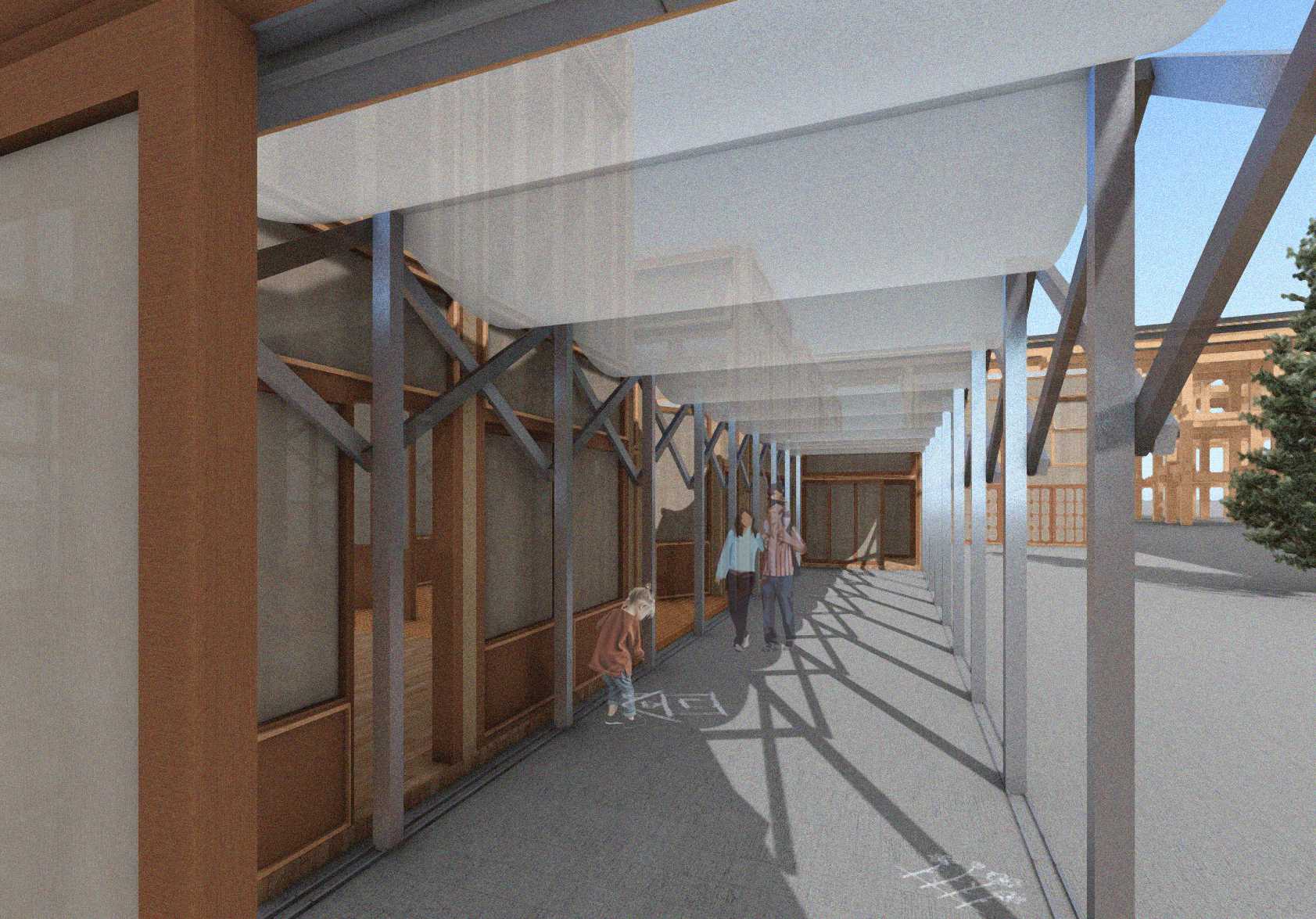
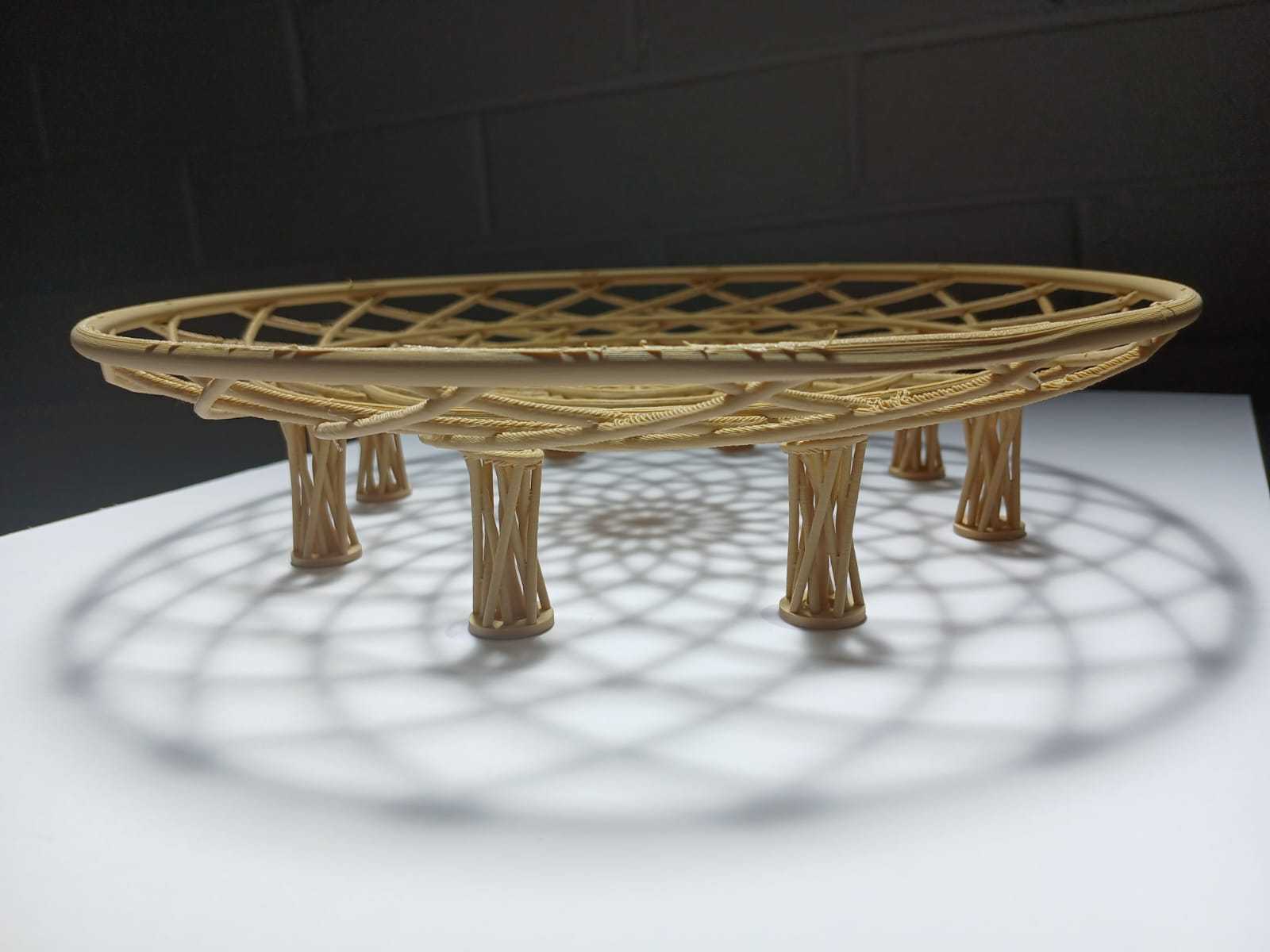
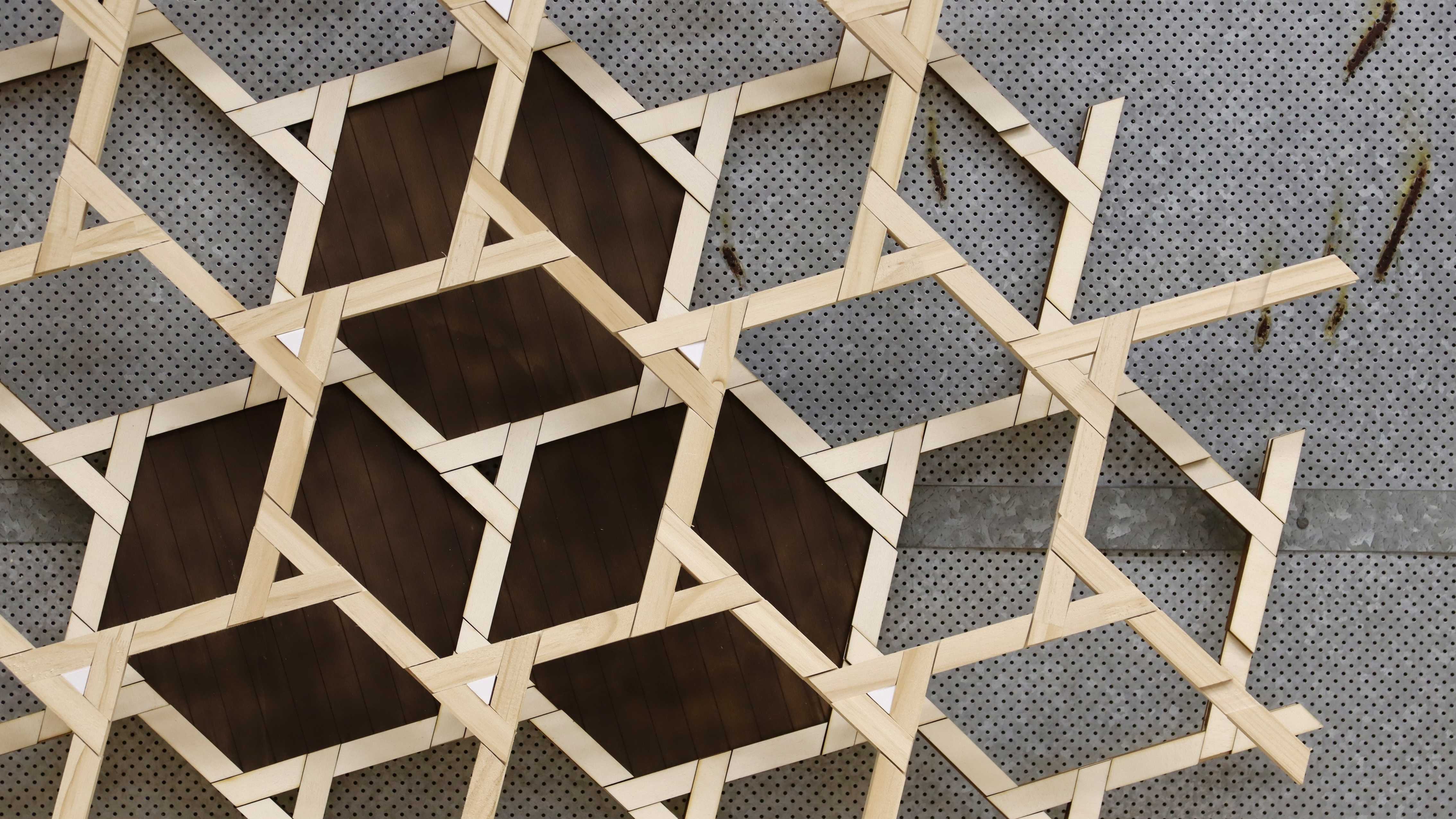
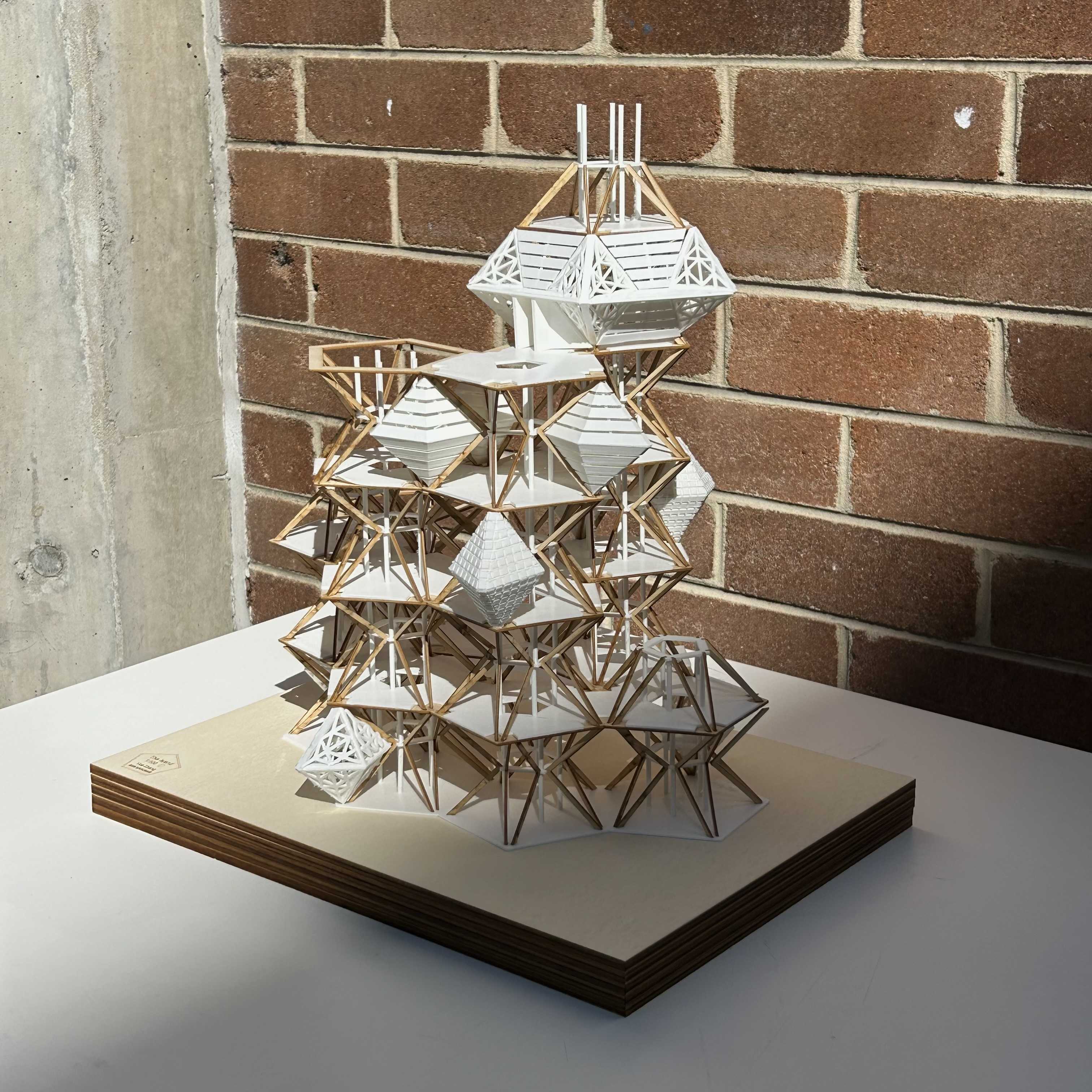
Is a building’s structural system purely the remit of the engineering team, a ‘necessary evil’ of applied technology, which allows the architectural forms and façade materials to remain intact? Or do the structural elements themselves provide opportunity to enrich the architecture as integral elements involved in the creation of language and expression, designed by the architect’s hand in collaboration with structural engineers?
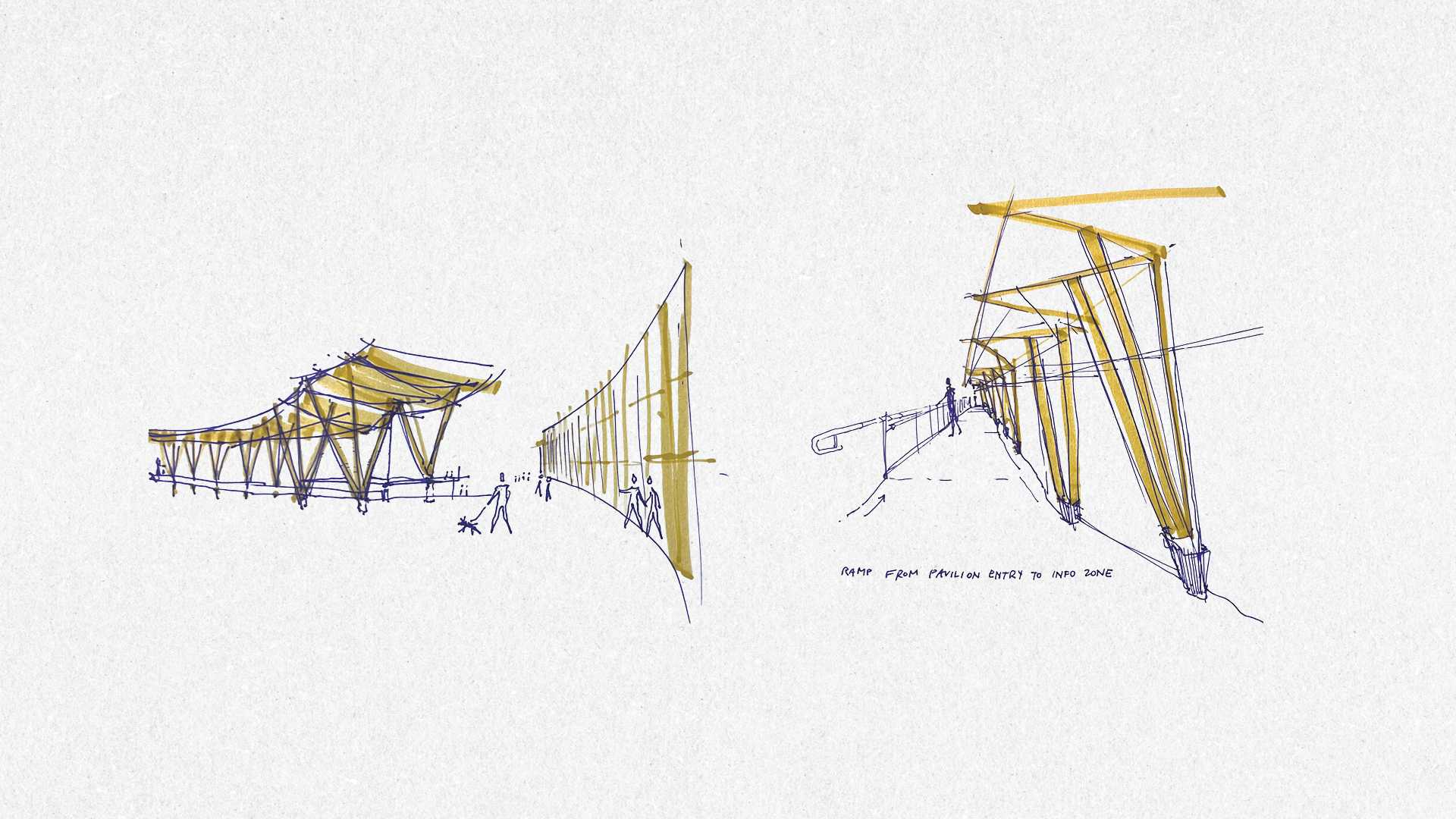
This studio explores the implications and potential of a bolder integrated design approach, where structural elements are thoroughly engaged in the design, strengthening meaning and the richness of the architecture. How can the physical necessities of stability, strength and stiffness help to inform and elevate the design concepts?
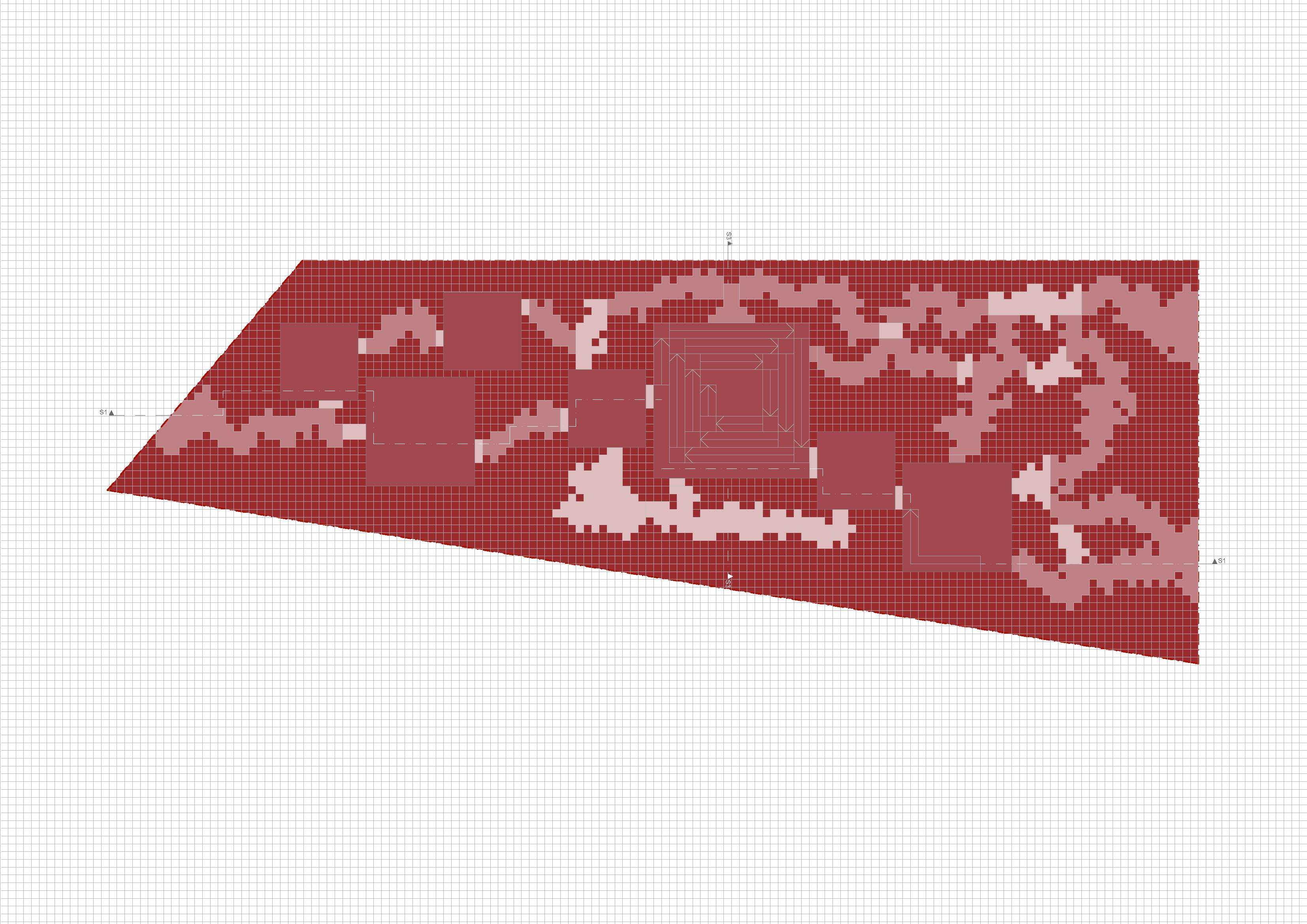
With expressed structure as a driver, the projects conceive a standalone pavilion for the current Osaka World Expo. World Expositions have an extensive history of revolutionary architecture, with many pioneering structures built specifically for them: Crystal Palace (1851), Eiffel Tower (1889) and the Barcelona Pavilion (1929), to name a few.
Aligned with the Expo theme ‘Designing Future Society for Our Lives’, the work combines immediate design exploration with deeper research into how structure and expression can converge. The outcome is a pavilion that demonstrates how architecture can be both grounded in necessity and elevated through imagination.
With thanks to the following contributors and critics:
Richard Hough, Arup, Tony Lam, Cox Architecture, Lily Tandeani, Tzannes