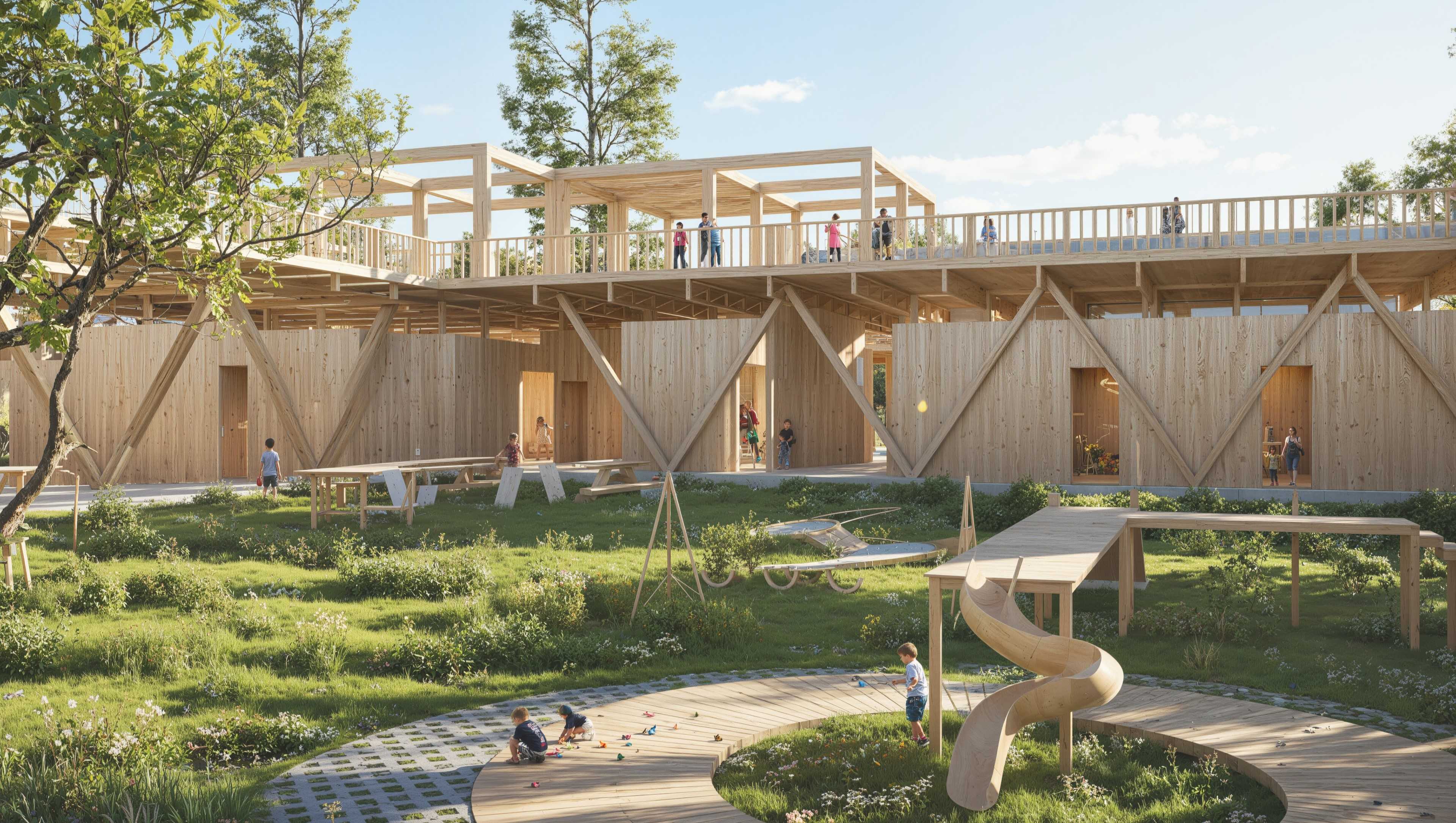
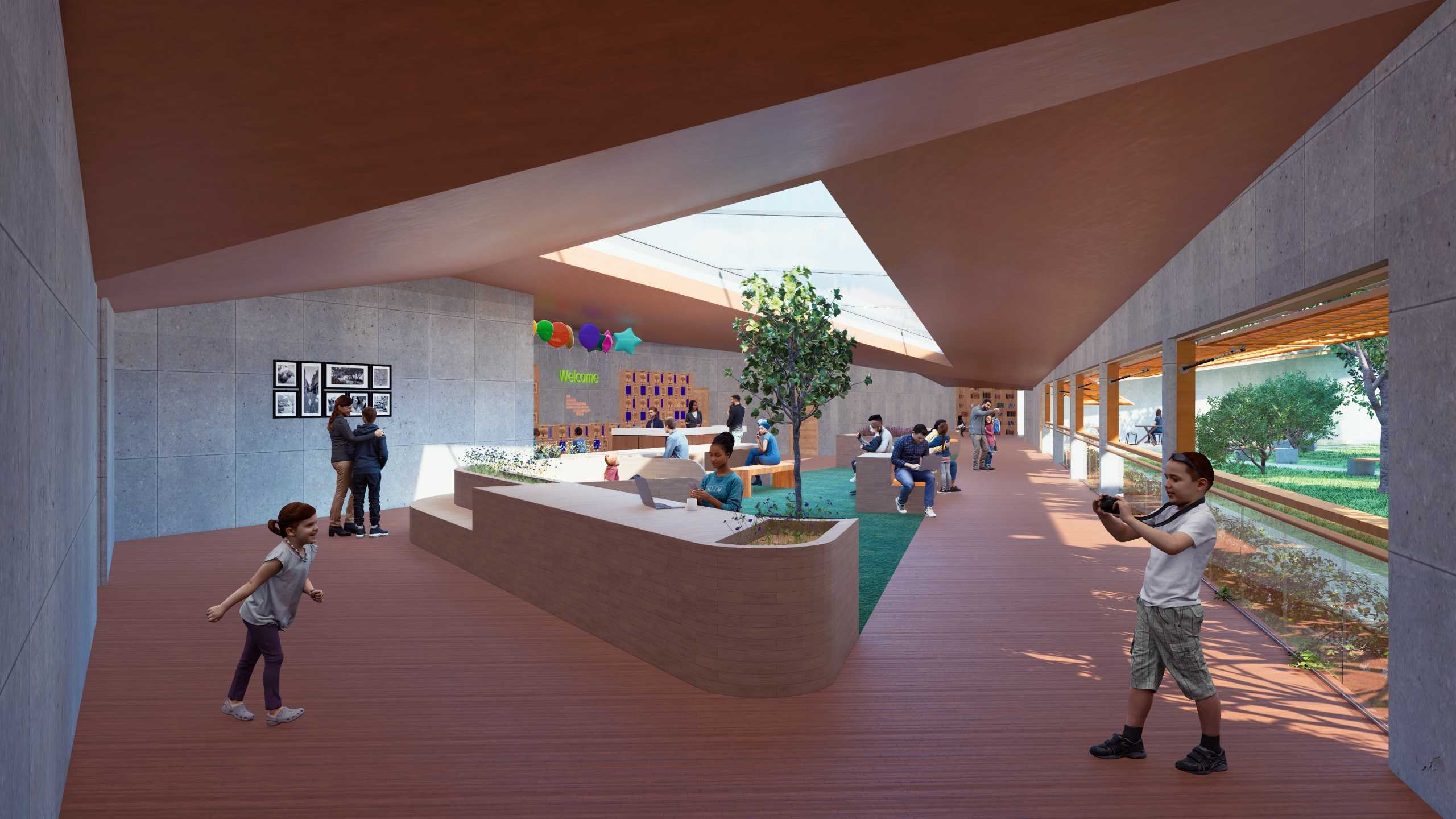
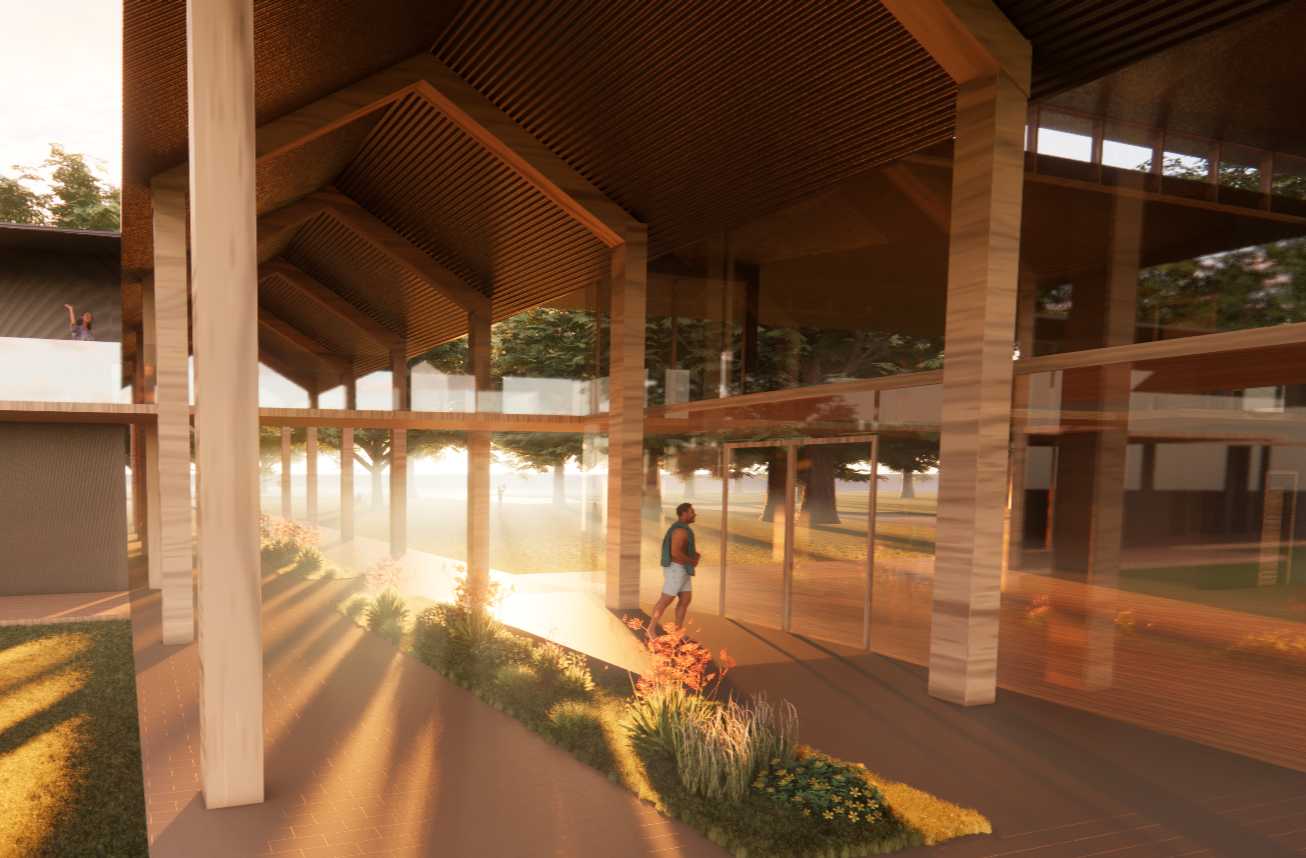
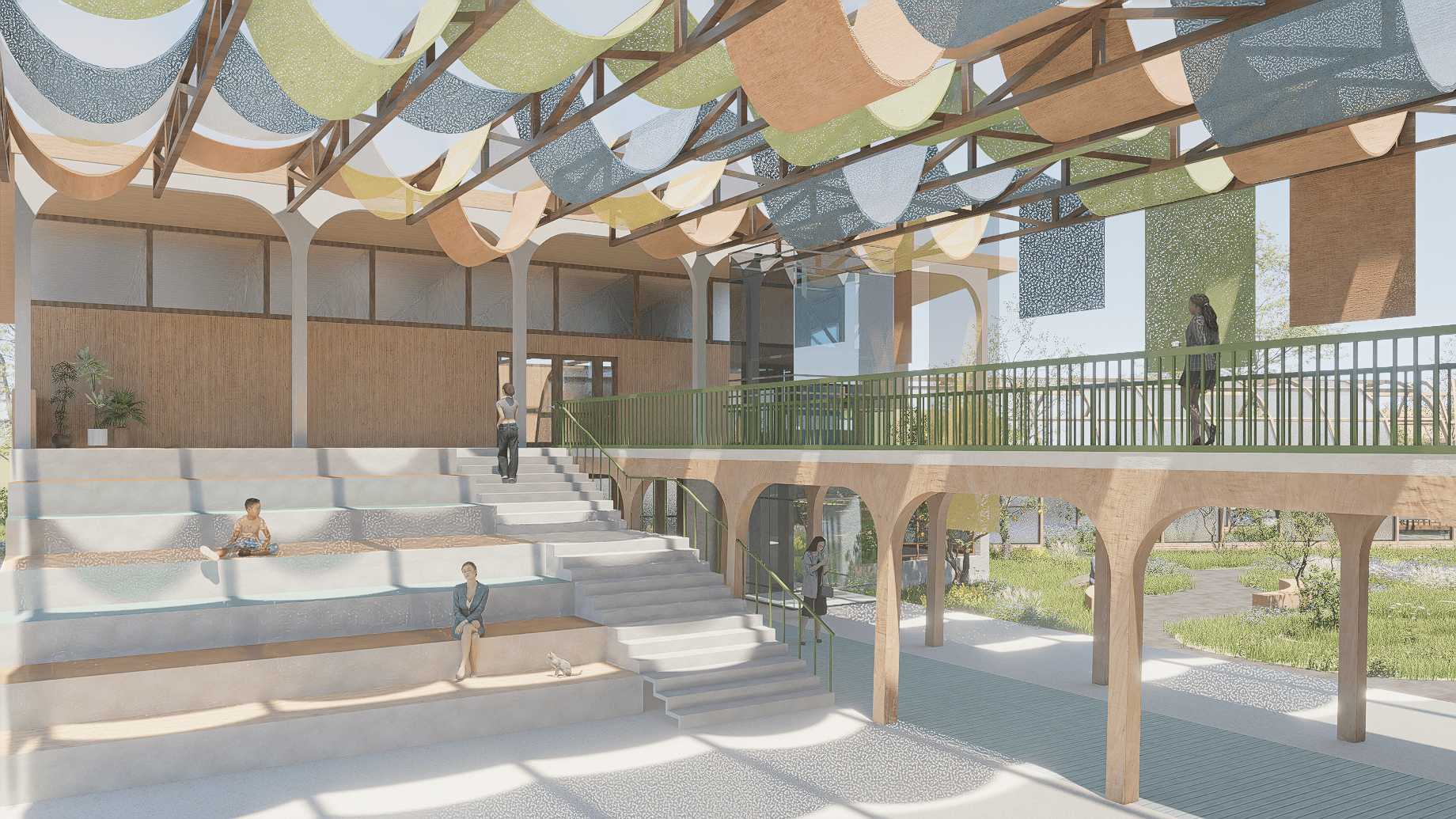
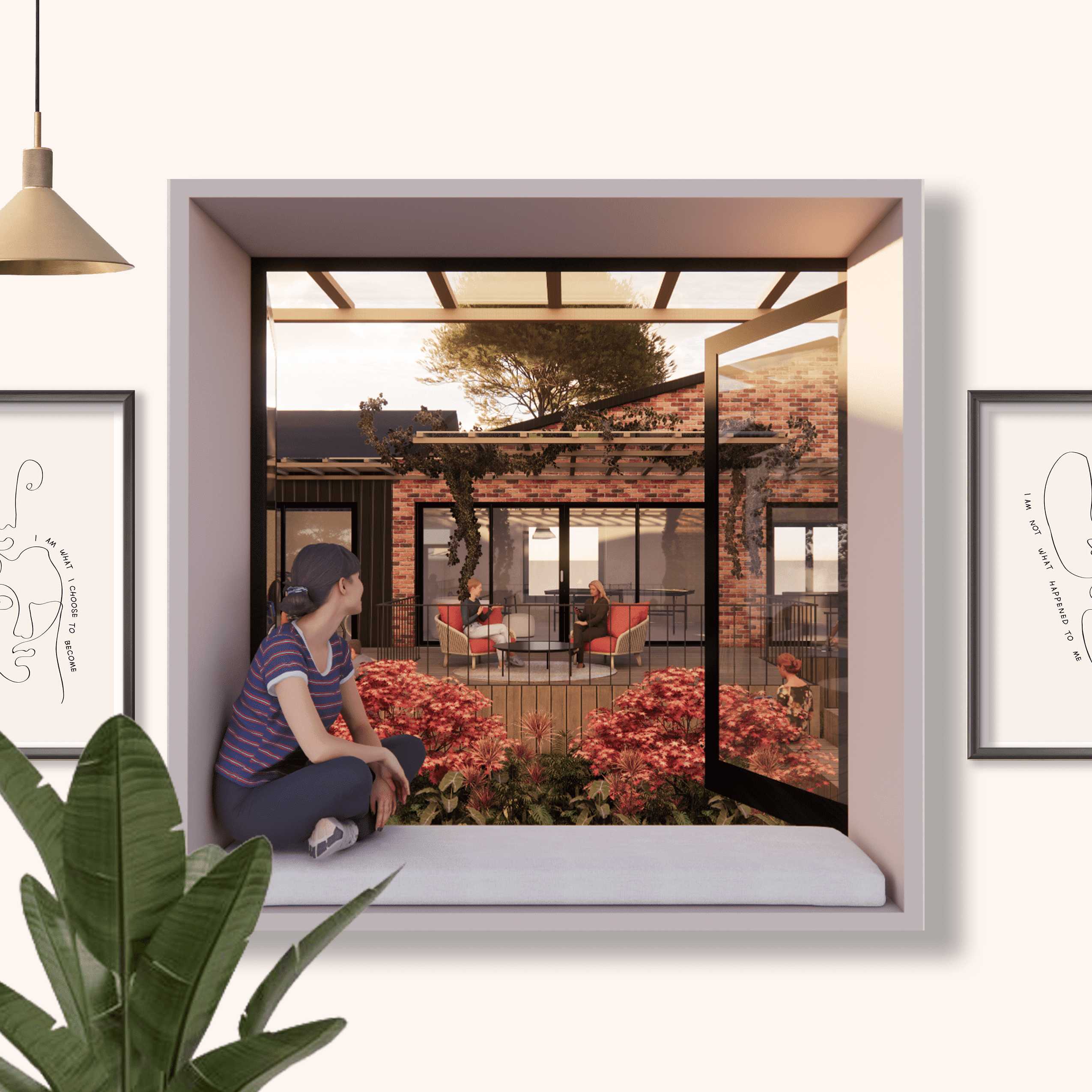
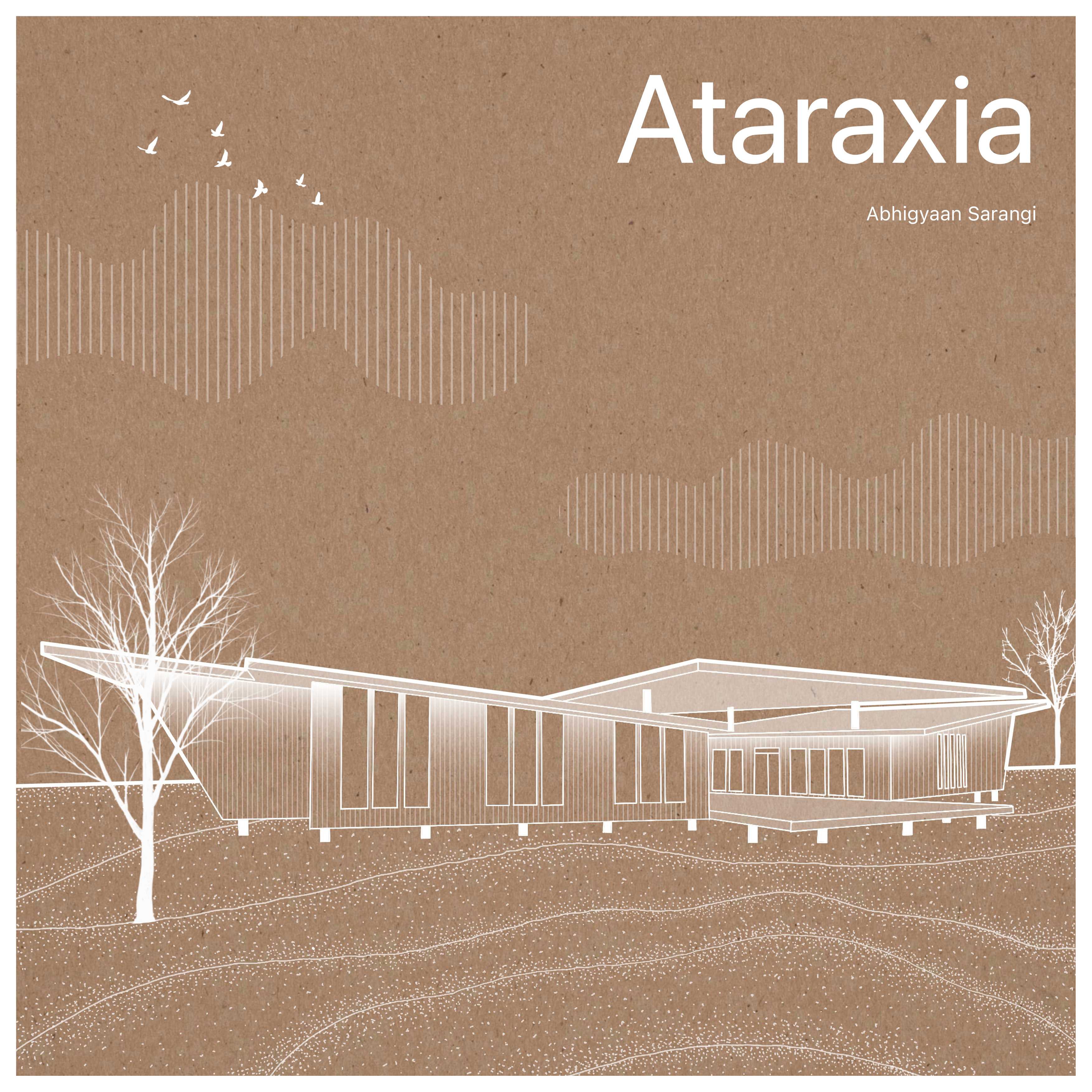
Can architecture heal? The Head Place project begins with the idea of regenerative spaces—environments that support health, wellbeing, and transformation. Throughout architectural history, spaces have been designed to inspire, shift behaviour, and influence how people experience the world. In the 'psy-' sciences (such as psychology, psychoanalysis and psychiatry), the setting of therapy has always been recognised as central to the process. Place and person are intimately connected.
This project asks how these insights might inform the design of a new kind of mental health space. The focus is on Headspace, the National Youth Mental Health Foundation, which provides support for people aged 12 to 25. Rather than delivering conventional clinical spaces, the brief calls for speculative and experimental approaches that challenge assumptions about what a mental health environment can be.
The site is the Moore Park precinct, reimagined as a place of care and regeneration. Proposals may transform existing structures or generate new ones, exploring how architecture can foster dignity, resilience, and hope.
With thanks to the following contributors and critics:
Jason Dibbs, ADP, Blake Hamilton, Headspace, Rebecca McLaughlan, ADP, Chris Smith, ADP