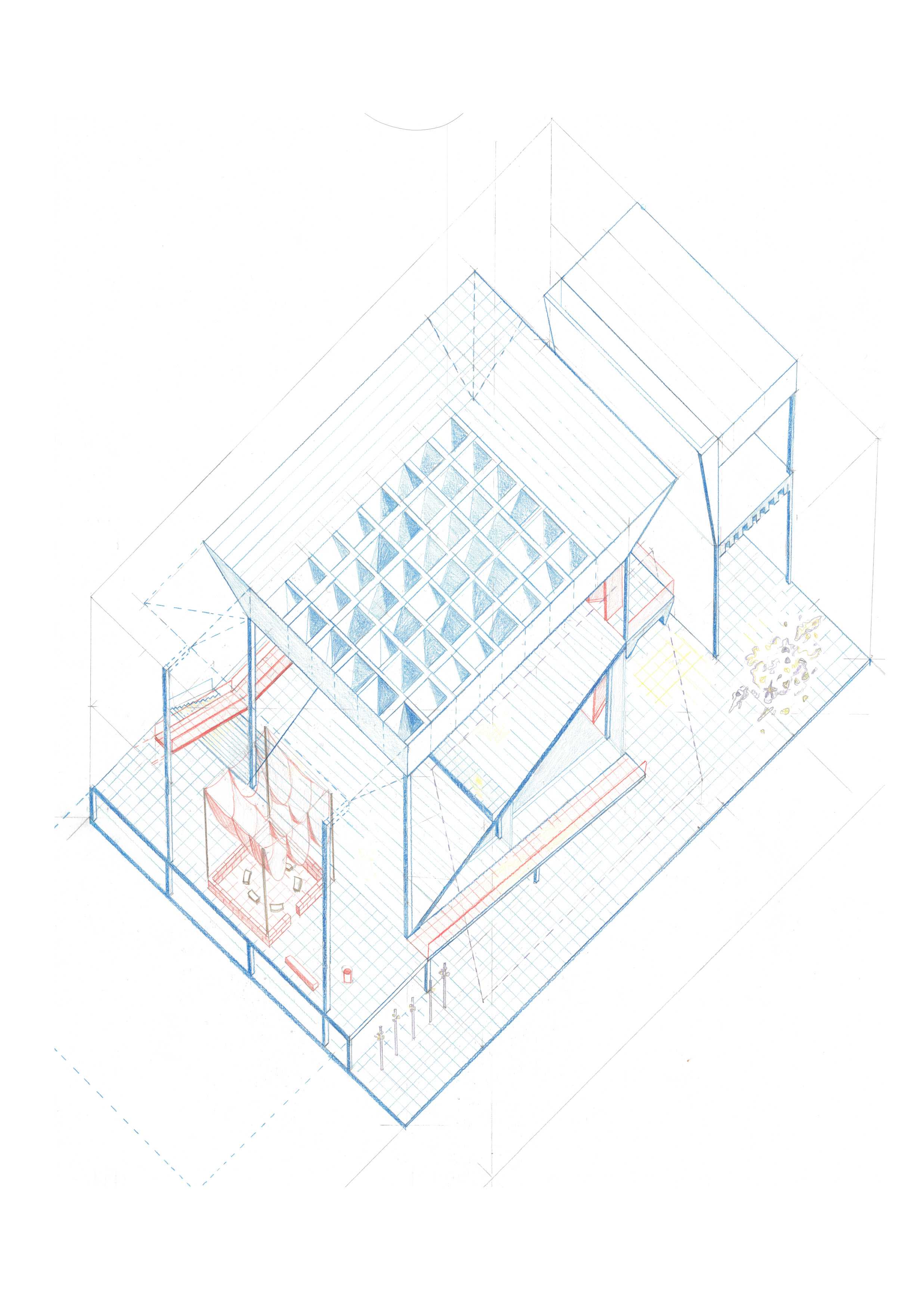
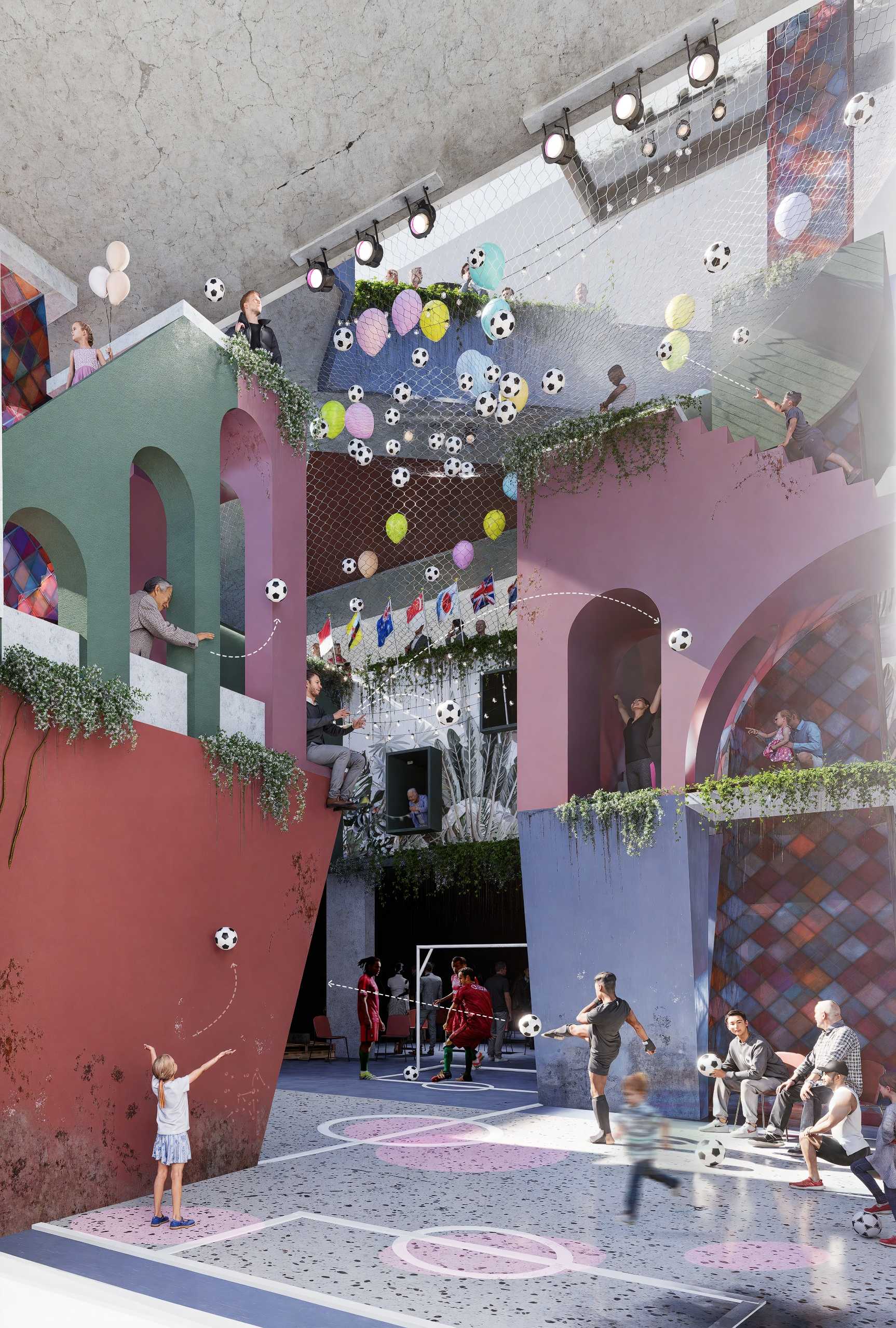
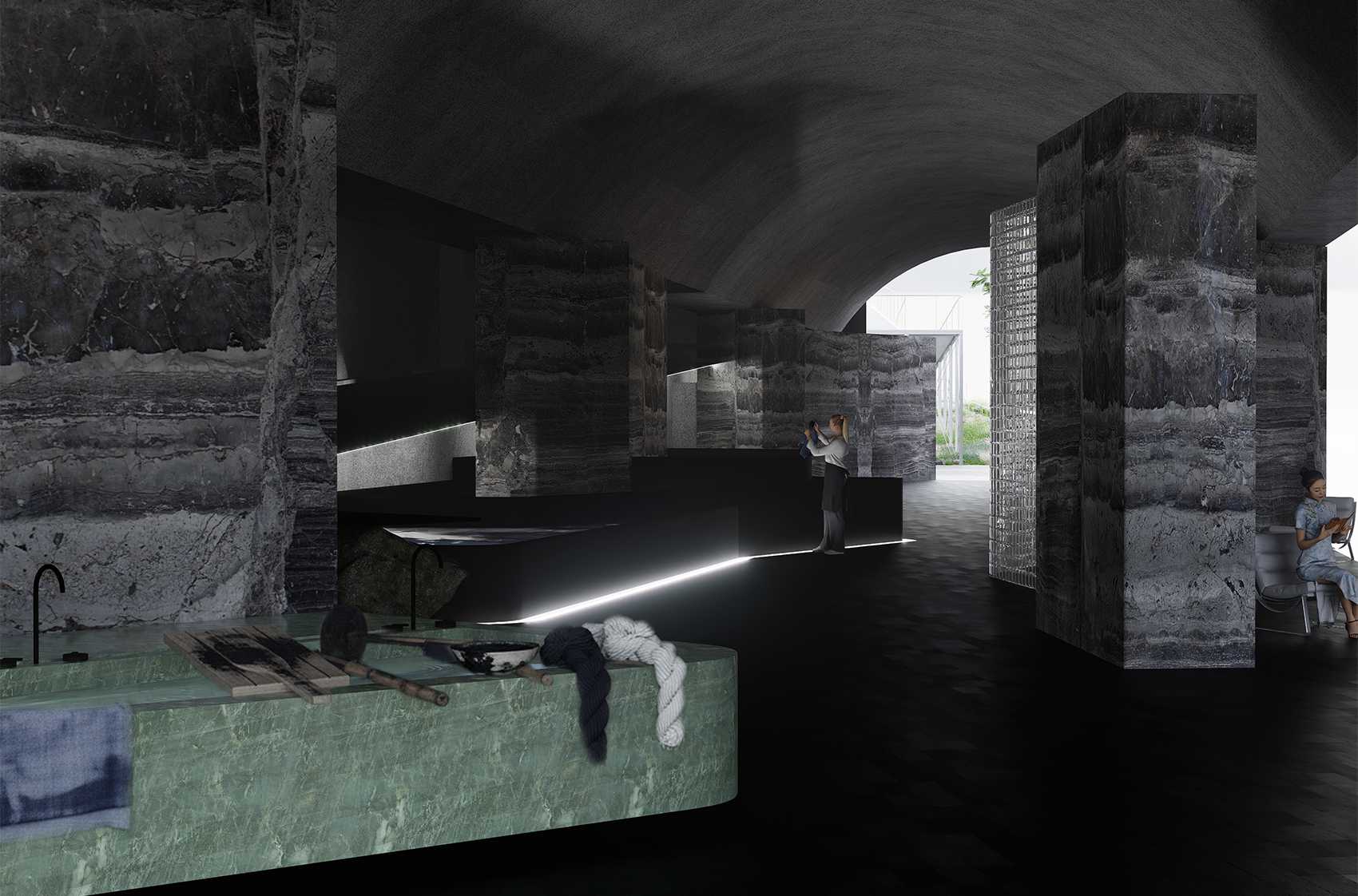
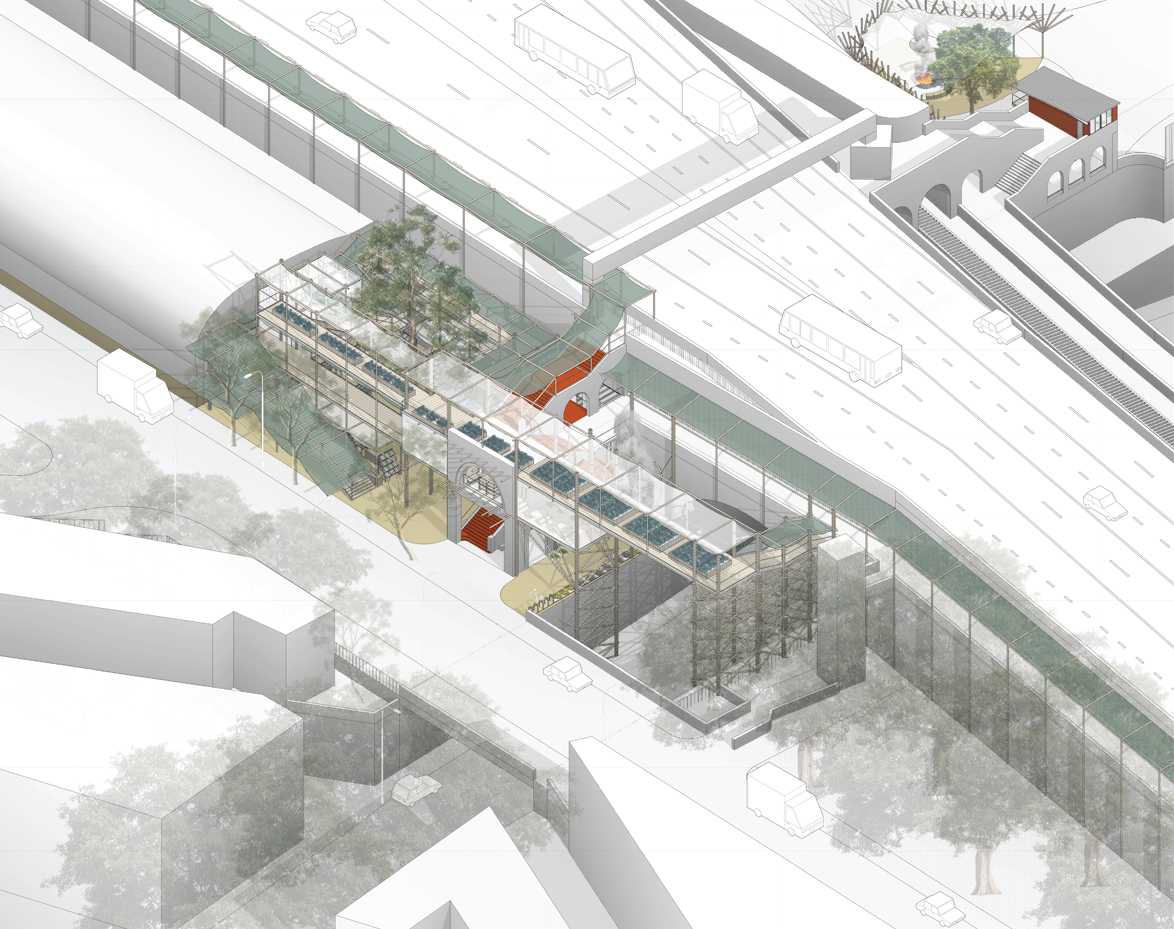
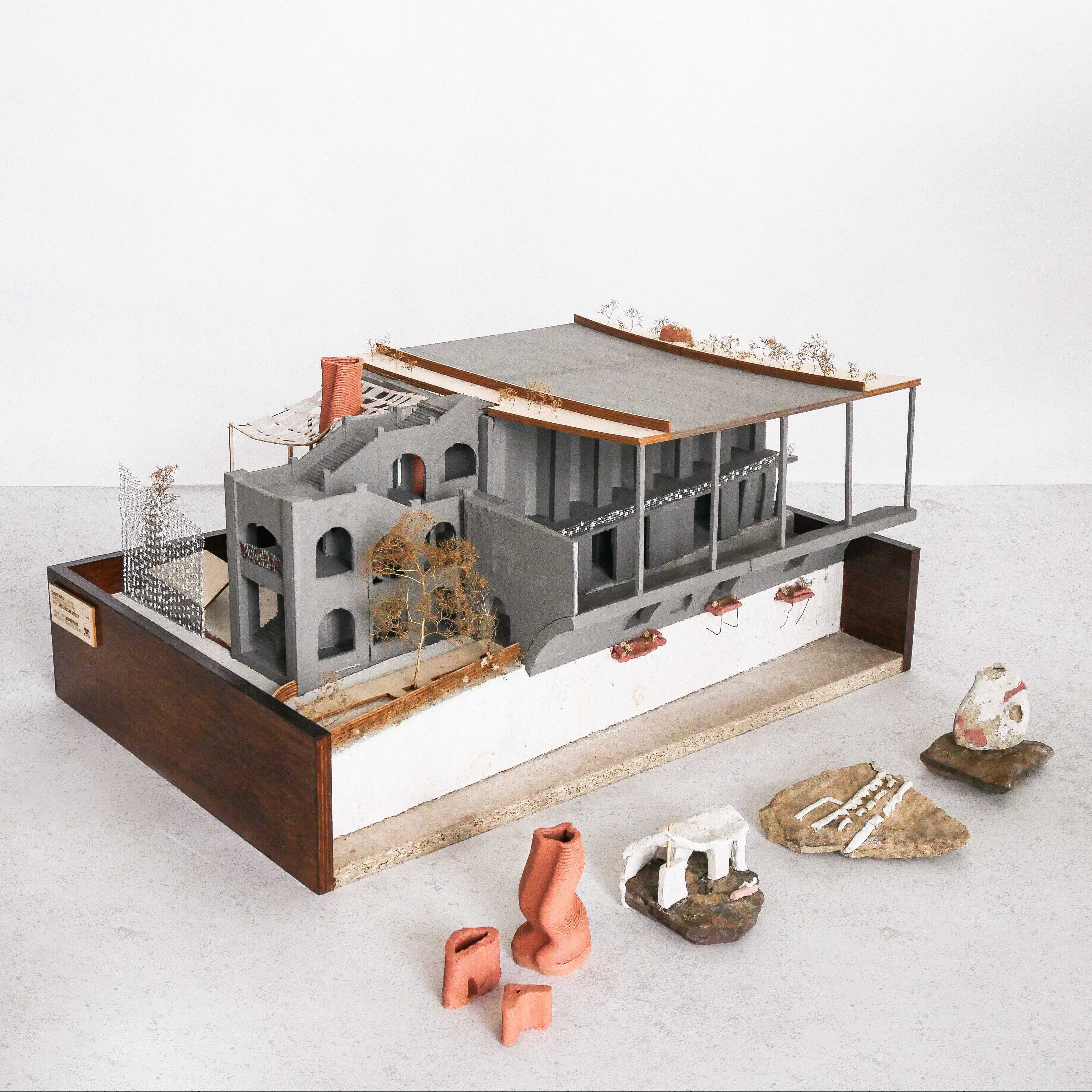
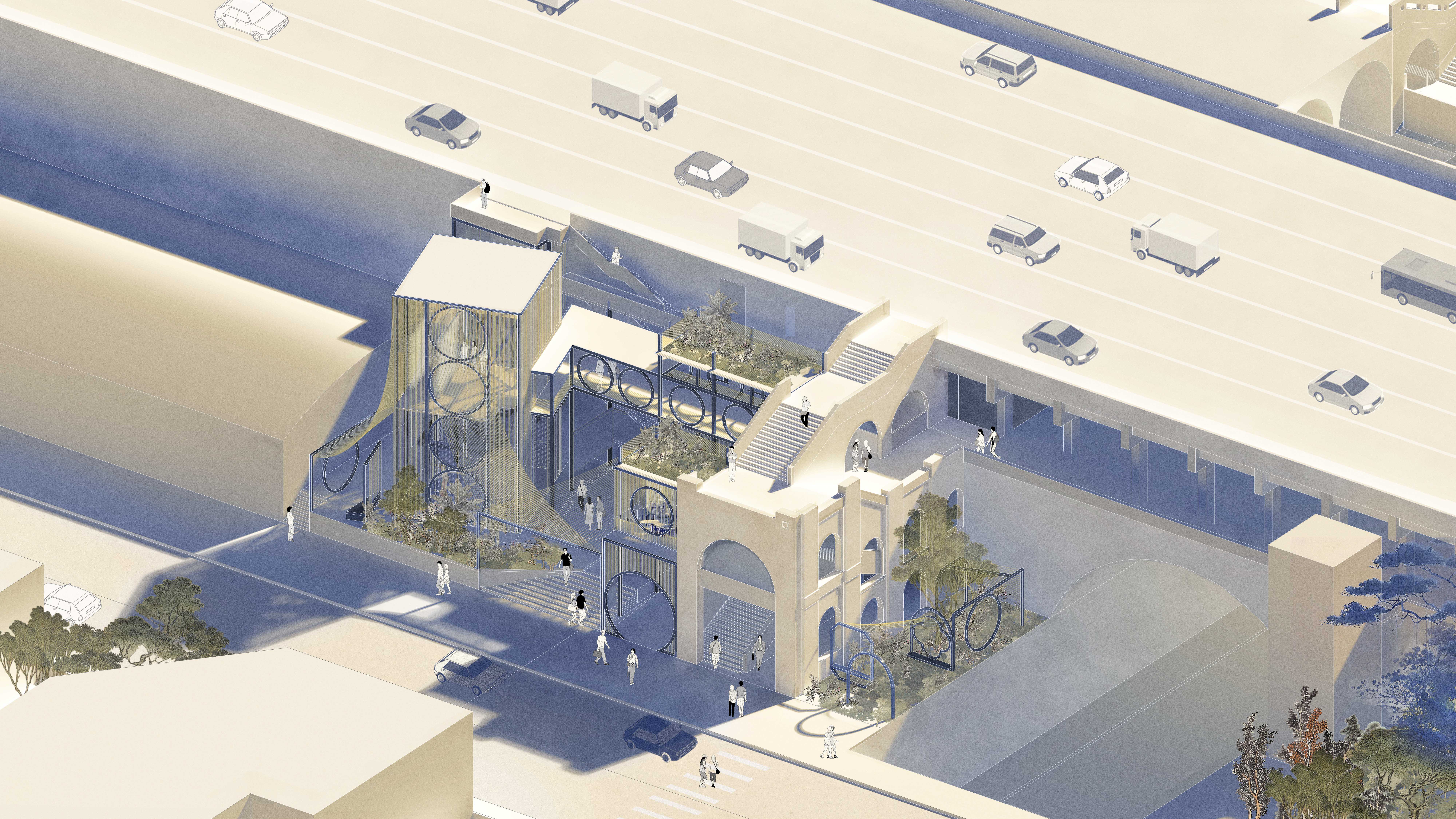
At the Argyle Stairs on Gadigal Land, movement becomes a metaphor for exile. Exile is a condition of displacement, whether physical, emotional, political, or cultural. It raises questions of belonging, identity, memory, and transformation. This studio explores how architecture can make these forces visible and humane.
The site is a vessel for stories. Carved into sandstone in The Rocks, the stairs carry the weight of Sydney's colonial past and the legacies of forced migration, Indigenous dispossession, and refuge. Descending suggests gravity, enclosure, and origin. Ascending opens to light and air, revealing rooftops, harbour lines, and horizon. Between ground and sky, the place captures tension between anchorage and the desire for freedom.
The task is to reimagine the Argyle Stairs as an instrument for dignity in displacement. Proposals may uncover layered histories, invite gathering and reflection, or create routes that honour memory while offering new orientations. Research and careful listening inform the work. Poetic intuition and rigorous testing give it form.
The aim is not to romanticise exile but to acknowledge it. By shaping spaces that hold complexity with care, the project asks how architecture can support belonging, protect the vulnerable, and expand the public's understanding of what it means to find place after loss.
With thanks to the following contributors and critics:
Daniel Browning, School of Art, Communication and English USYD, Min Dark, Andrew Burges Architects, Amina Kaskar, ADP, Vesna Trobec, Studio Trobec/WSU, Xinyi Wang, XYTOPIA, Wenray Wang, PMI Engineers