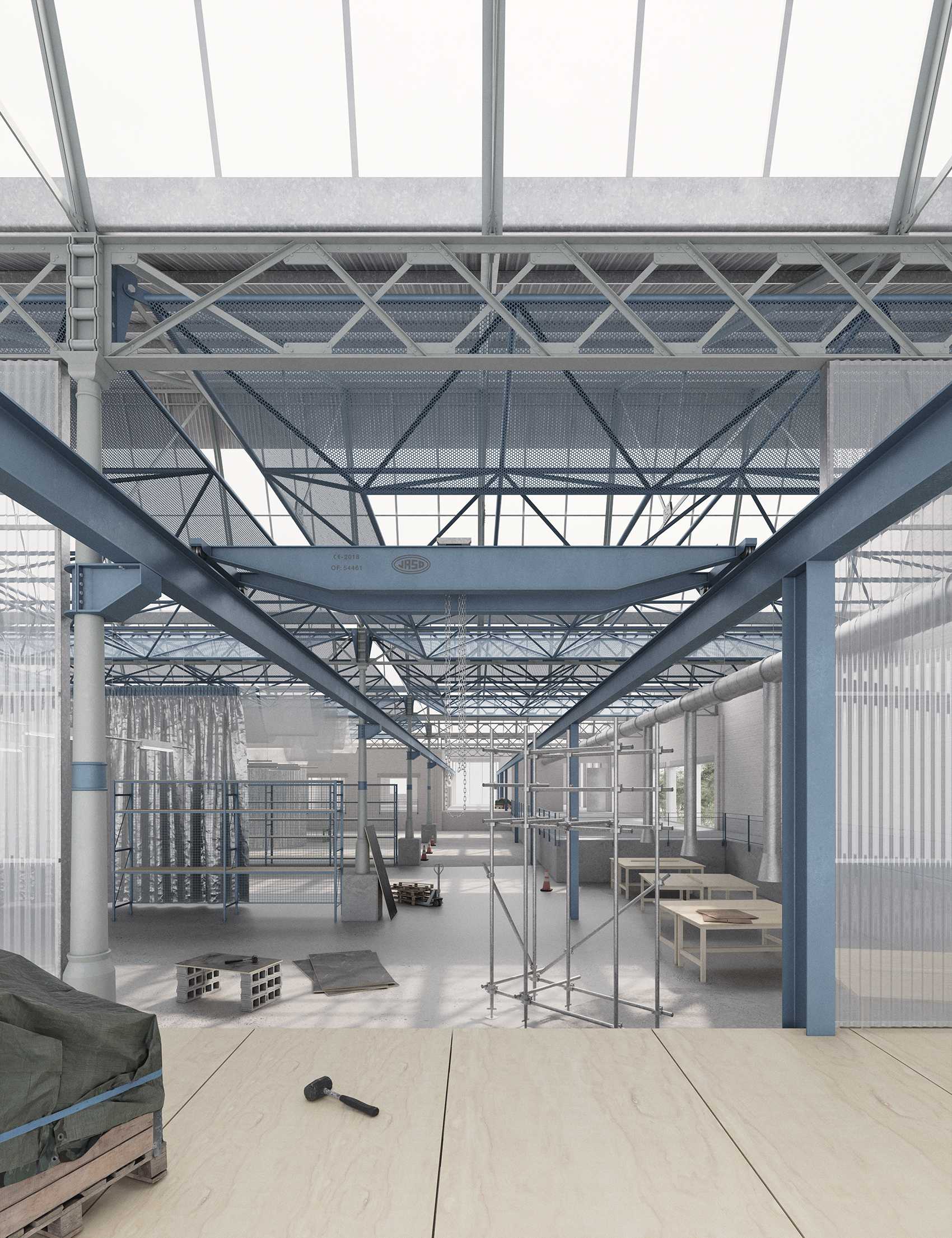
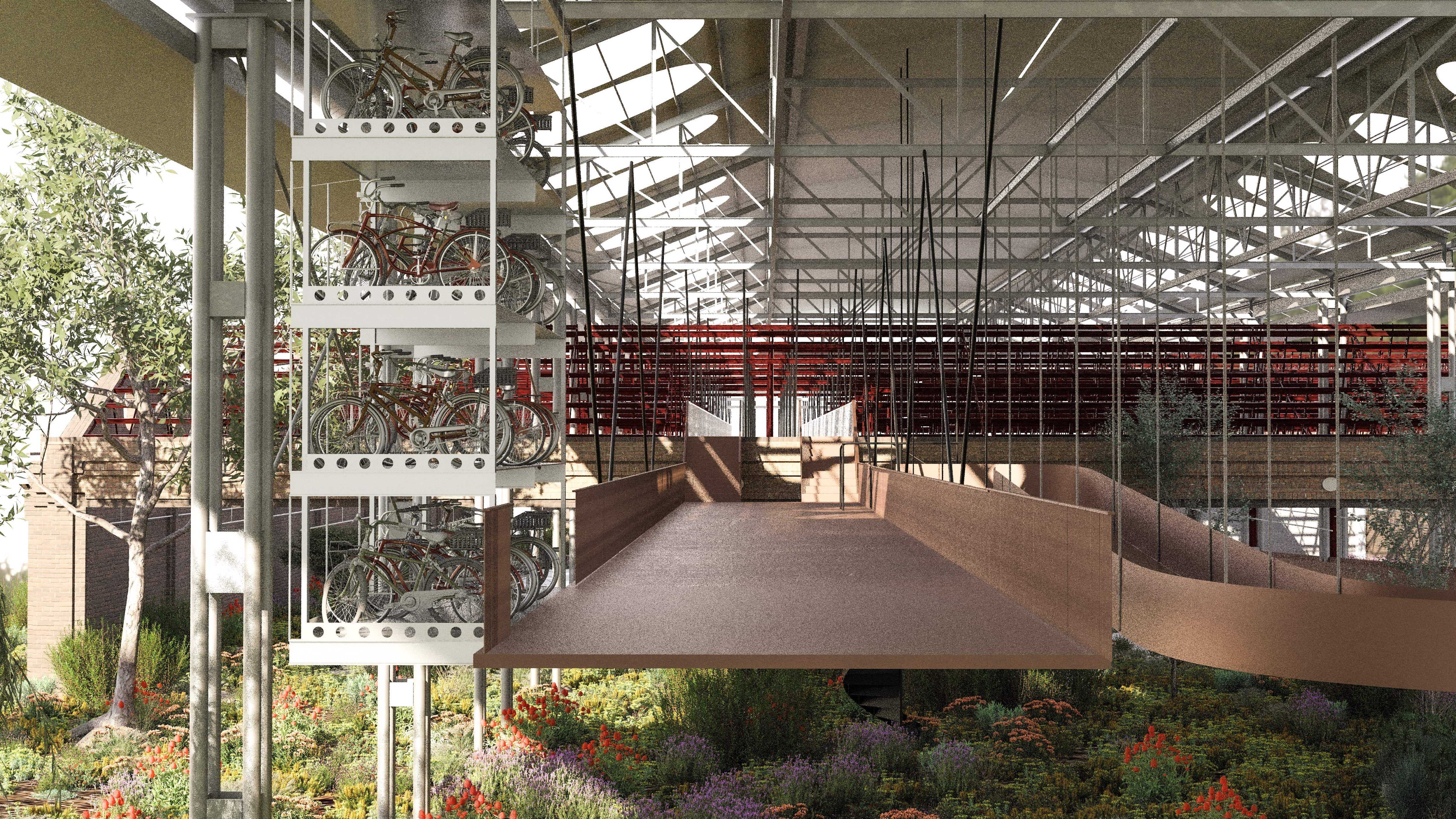
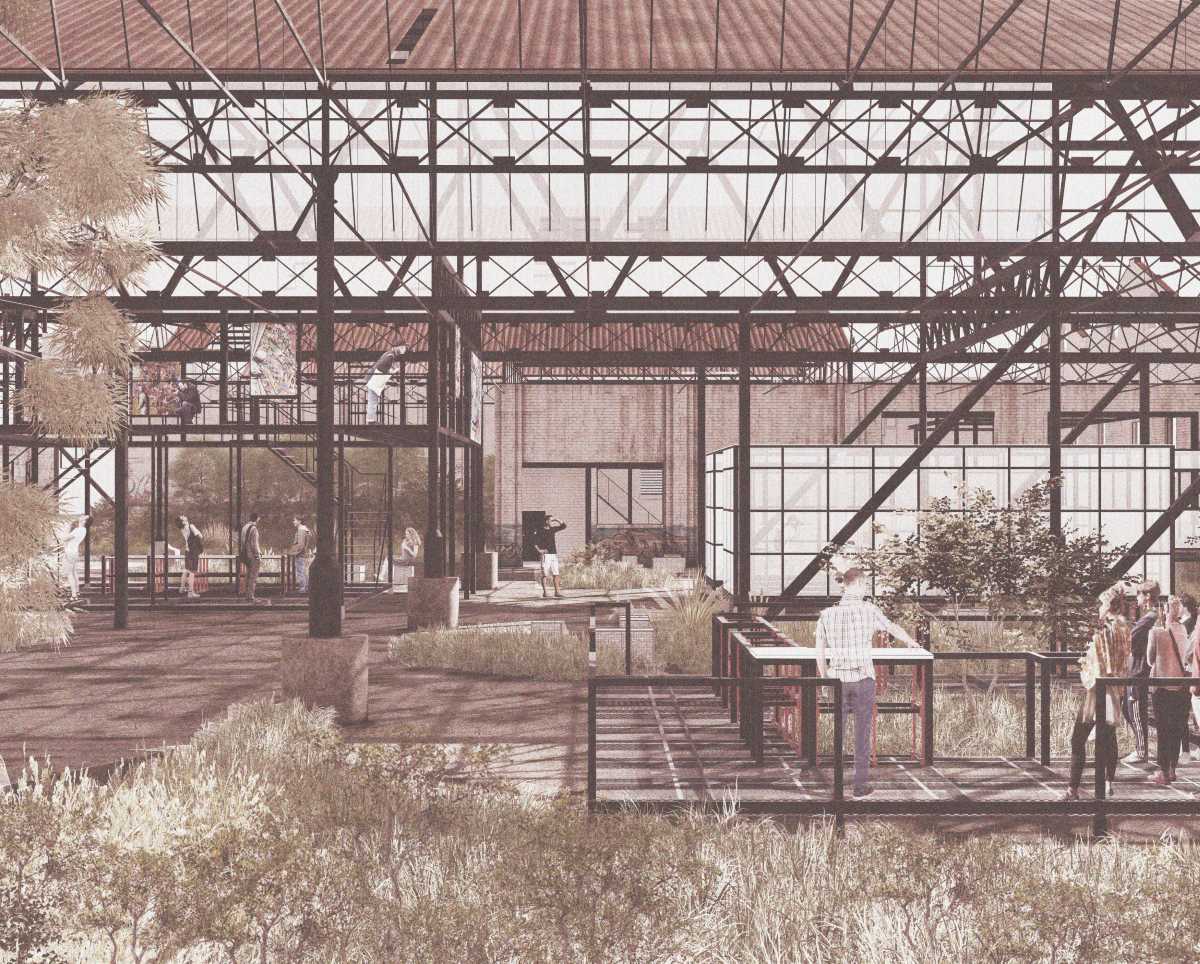
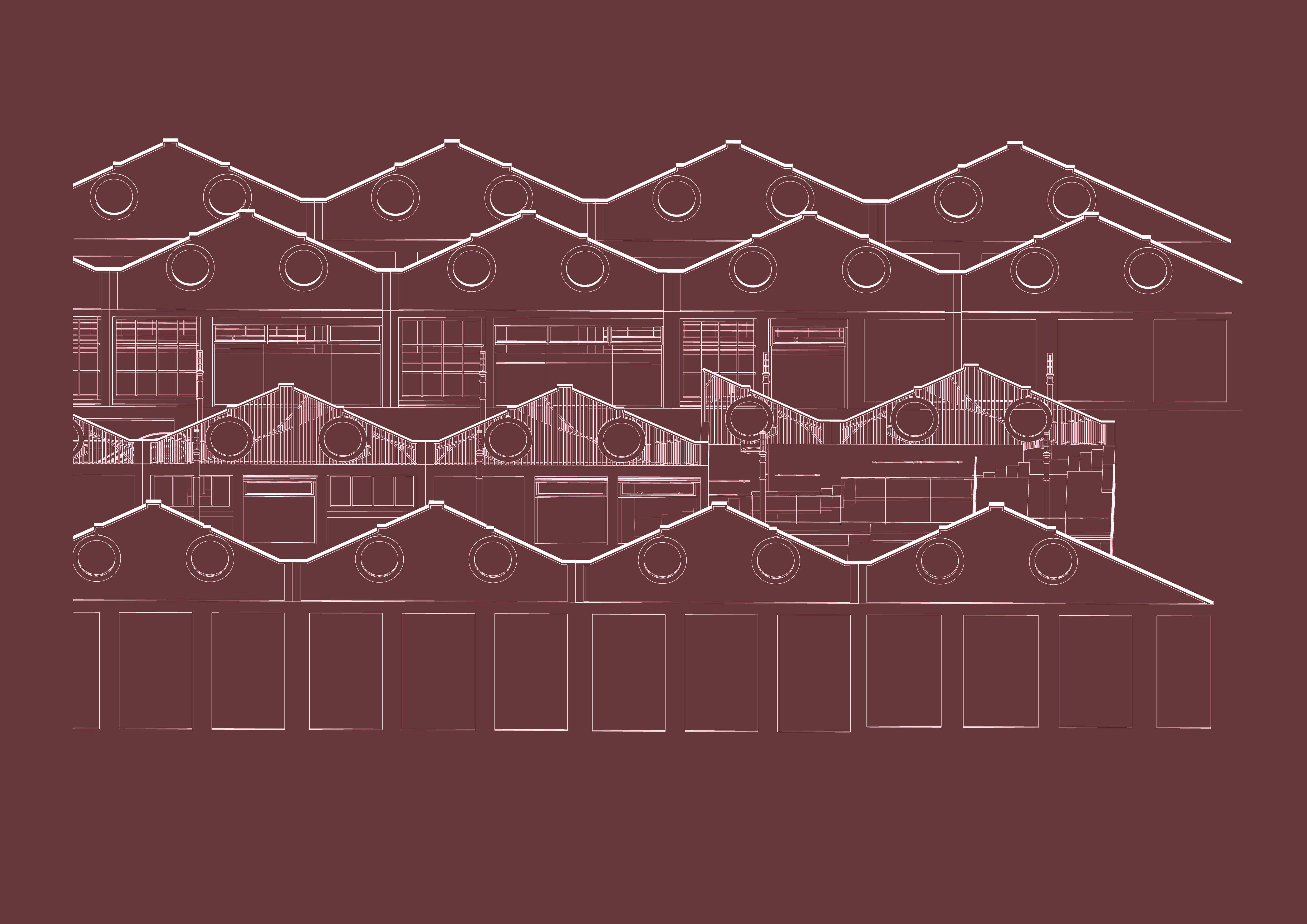
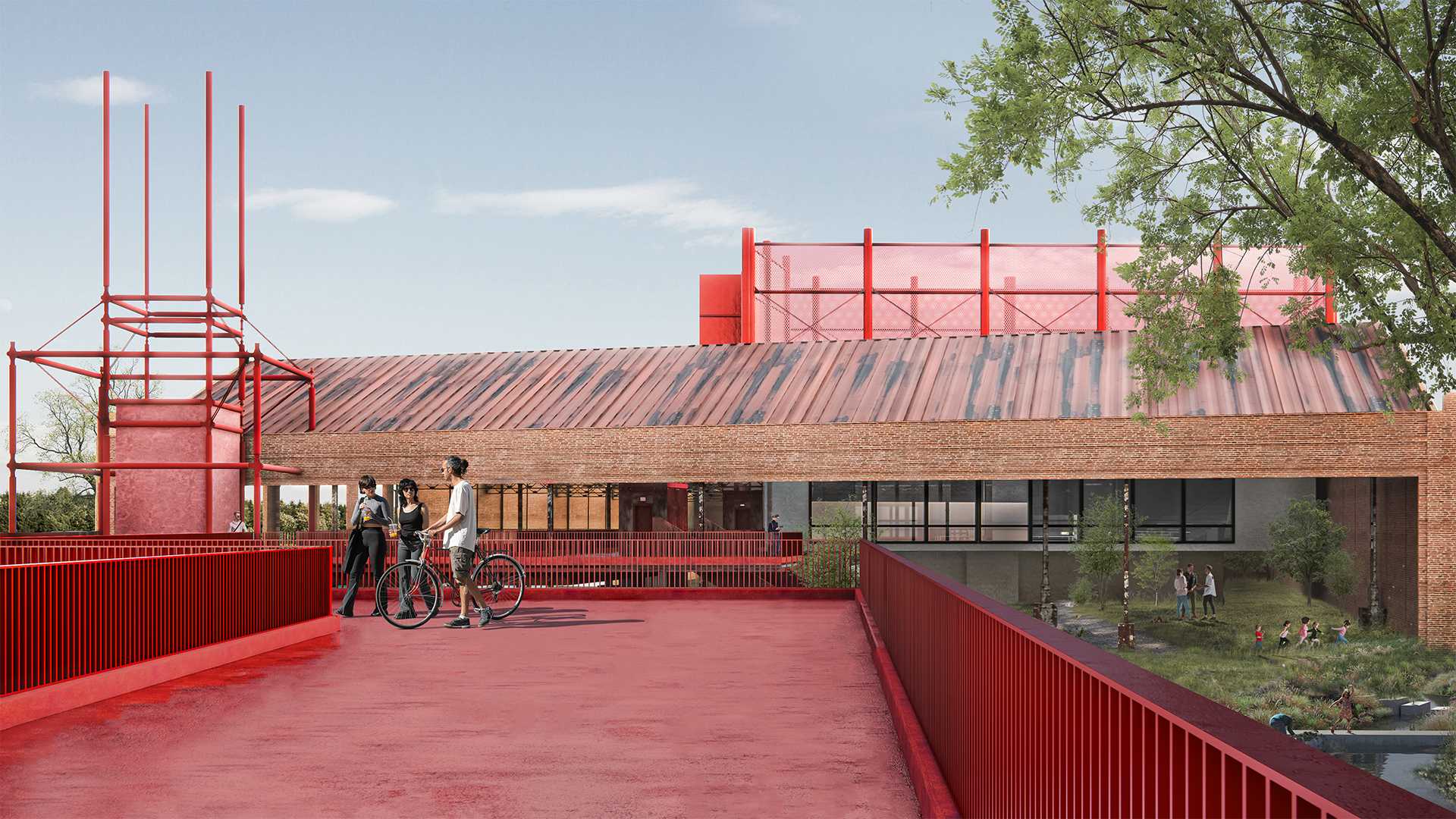
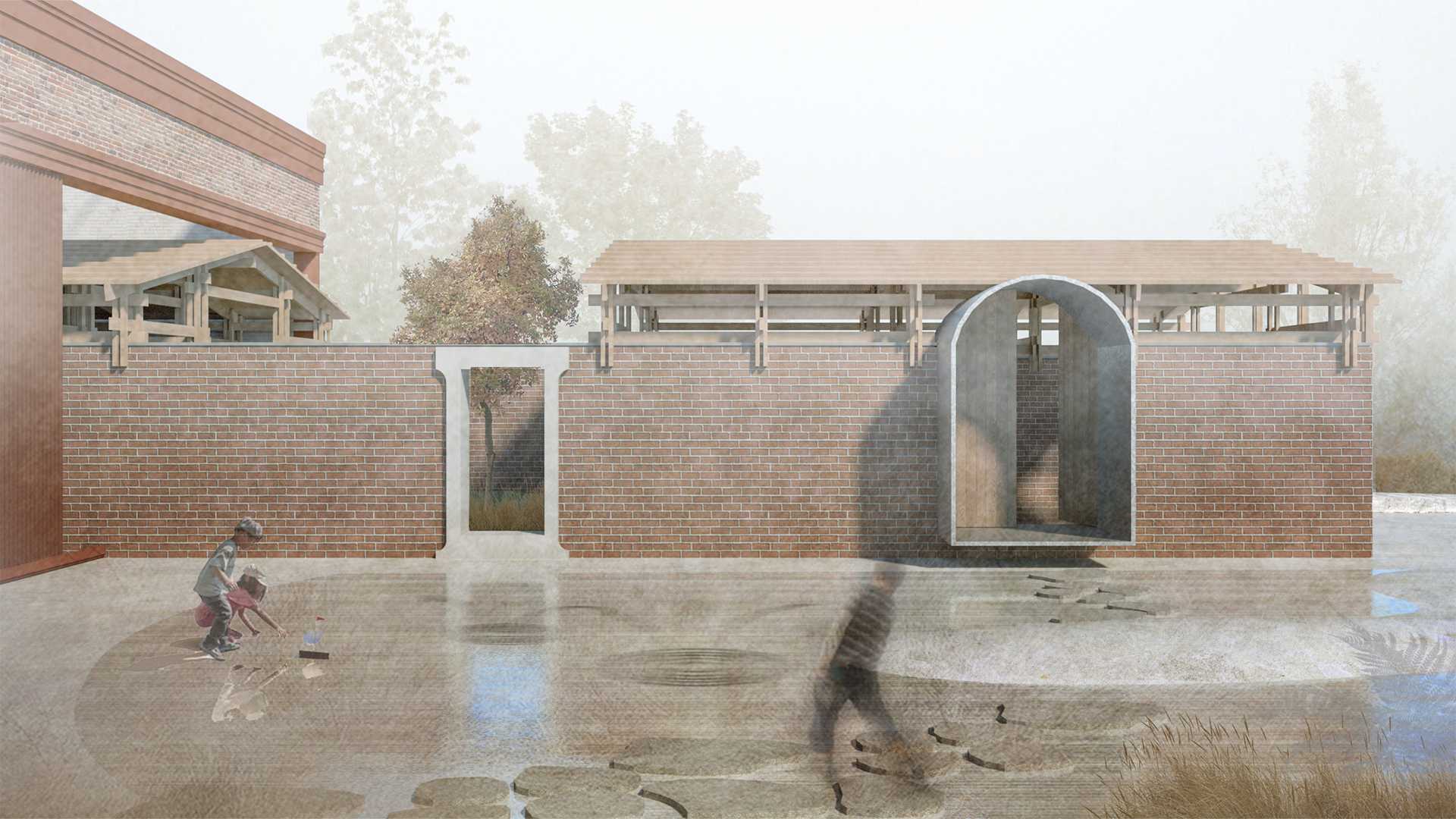
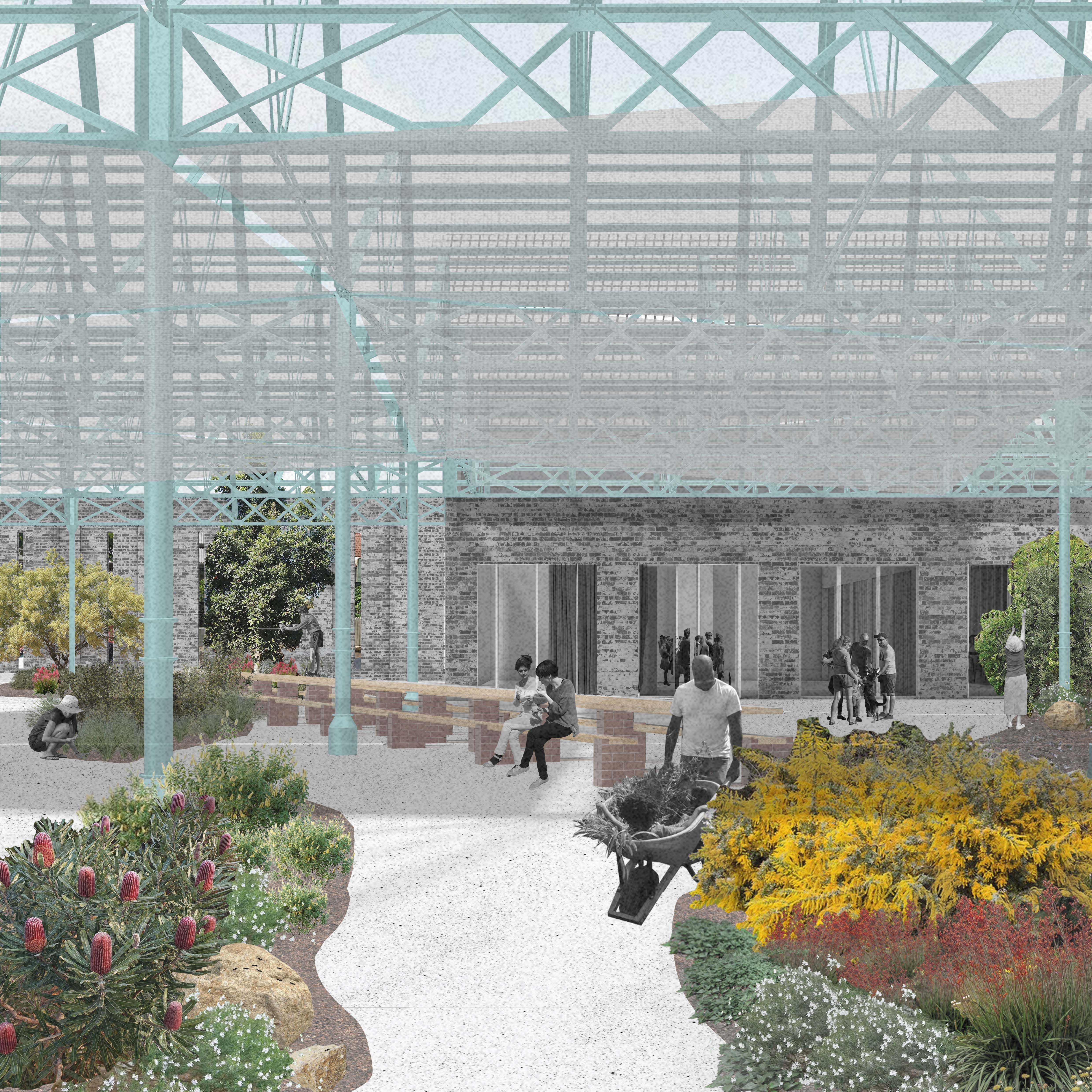
Play is not just leisure. As historian Johan Huizinga argued in Homo Ludens (1949), it has shaped language, art, law, and culture across human history. This studio takes play seriously as a design method, using it to reimagine how architecture and urban infrastructure can become flexible, participatory, and open to change.
The inspiration comes from Joan Littlewood and Cedric Price's visionary Fun Palace of the 1960s, conceived as a "laboratory of fun" and a "university of the streets." Their proposal imagined a flexible framework where spaces could be adapted at the will of their users. Building on this idea, the task is to rethink architecture as an evolving instrument of community life, rather than a static container.
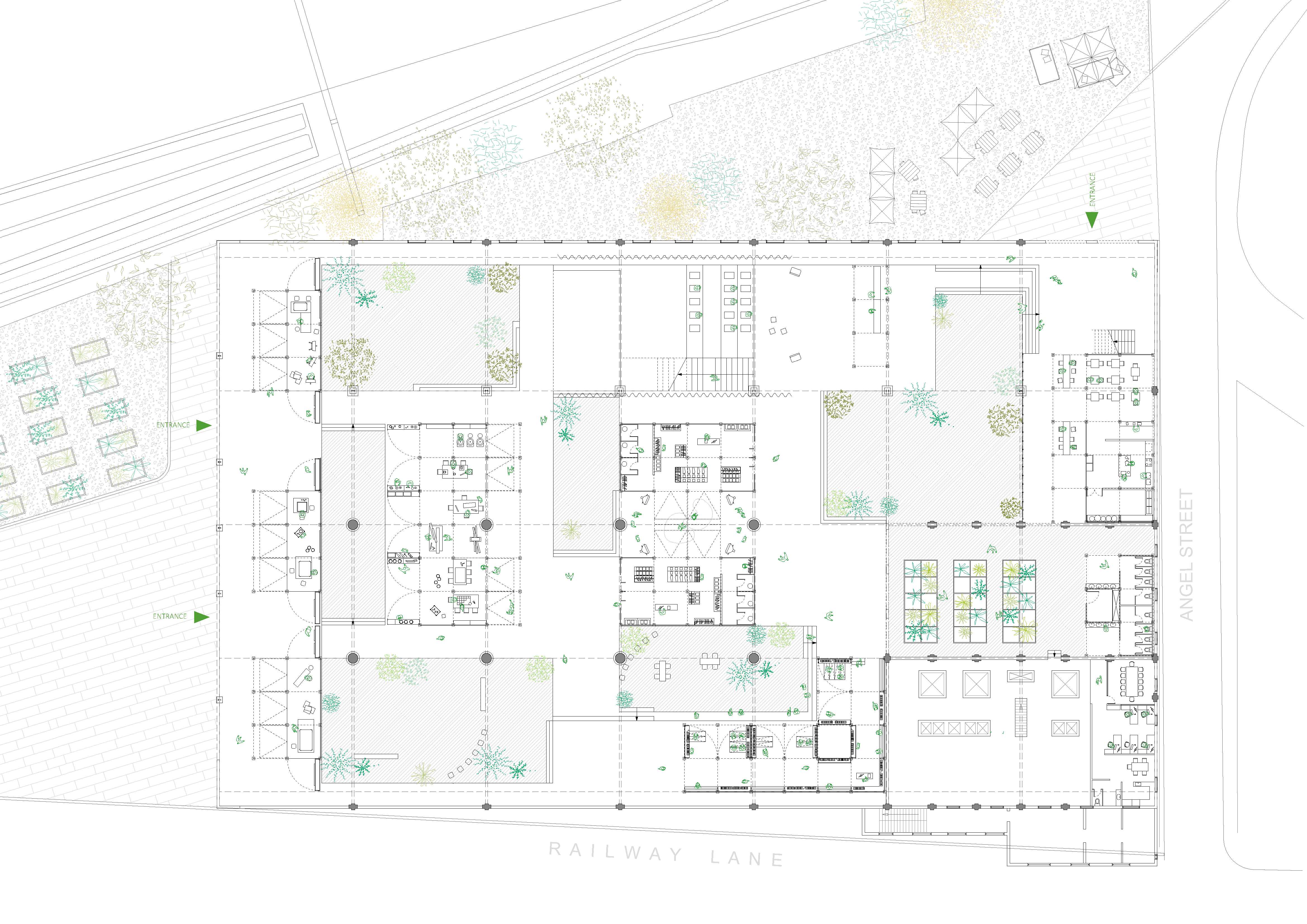
The abandoned Newtown Tram Depot provides the testing ground. Situated near Newtown and Erskineville, areas known for cultural vibrancy and experimentation, the site becomes fertile ground for transformation. The challenge is to reimagine the depot as a cultural and mixed-use centre shaped through a ludic approach. Proposals should explore how play can foster social inclusion, reflect cultural identity, and hold collective memory, while adapting a historic industrial site for new futures.
At its core, the project asks how architecture can act as a catalyst for improvisation, agency, and joy within the complexity of a diverse and global city.
With thanks to the following contributors and critics:
Michael Gunn, Transport for NSW, Kevin Heng, NSW Land and Housing Corporation, Alison Huynh, Bates Smart, Maren Koehler, ADP, Matilda Leake, Bates Smart, Tim Marcot, Bligh Tanner, Sara Nourmusavi Nasab, ADP, Vesna Trobec, Studio Trobec/WSU